The Importance of a Snagging Inspection for New-Build Homes in the UK

The Importance of a Snagging Inspection for New-Build Homes in the UK

Snagging Inspections – Why They Really Matter

Buying a new-build home should be thrilling—the culmination of your hopes and plans. Yet for many UK homeowners, moving in quickly uncovers a slew of snagging issues that turn anticipation into frustration. A snagging inspection offers peace of mind—a safety net ensuring your new home meets expectations before handover.

A snagging inspection is a critical step in the process of buying a new build home. Overlook this at your peril!

The Scope of the Problem: Real-World Stats

  • According to the Home Builders Federation National New Homes Customer Satisfaction Survey (March 2025), 93.7% of new-build buyers reported problems—snags and defects—with their home after moving in. More than a quarter reported over 15 issues.

  • Industry data from BuildScan reveals the average new-build home now has an astonishing 157 snagging issues, almost double the average of 80 in 2005—an annual climb of about 6.4%

  • Another survey found 95% of new homeowners reported snags or defects. Of those, 33% faced over 16 issues.

These numbers paint a clear picture: snagging issues are almost inevitable in new builds. A snagging inspection is not optional—it’s essential.


Types of Snags: From Cosmetic to Structural

Snagging issues range widely in severity and impact:

Common Cosmetic & Functional Defects

  • Windows and doors account for 27% of the most frequent snagging issues, including misalignment, poor seals, and glazing faults

  • Typical minor snags include uneven plastering, poor paintwork, ill-fitting fixtures, and insulation gaps

Serious Risks, Quite Literally

  • Structural defects—like foundation problems, cracks in walls, uneven floors, and poorly installed damp-proofing—can create long-term damage, even rendering the property unsafe or worthless

  • Mistakes in pipework or damp-proofing can lead to leak, flooding, and lasting moisture issues


Behind the Figures: Human Experience & Emotional Toll

It’s not just bricks and mortar that suffer—people do too:

  • Homebuyers often feel overlooked when developers delay or neglect fixing issues. Emotional stress, delayed move-ins, and prolonged uncertainty can severely impact quality of life

  • In one startling case, an elderly homeowner in Glasgow endured months of delays and snag-related distress—not least because her window fell out and her shower failed—causing both emotional and physical upheaval

An emotionally resonant experience like this underscores why snagging inspection is not just practical—but vital for peace of mind.


How a Professional Snagging Inspection Helps

  1. Spot issues early, often before completion, when they’re easier and cheaper to fix

  2. Empower you with documented evidence—snag lists that support your warranty claim or complaint process

  3. Protect relationships and financial outlay: developers may act more promptly when professional reports are involved


Conclusion

A snagging inspection isn’t just wise—it’s essential. With nearly all new-build homeowners facing issues—from the minor to the potentially catastrophic—the statistics speak for themselves. Professional inspection safeguards your investment, your safety, and your sanity. If you’re buying—or have just bought—a new home in North Essex or South Suffolk, Infinity Planning is here to help you navigate snagging challenges with expertise and care. Ready to secure your dream home with confidence?

How Infinity Planning Can Help You

At Infinity Planning, serving North Essex & South Suffolk, we guide homeowners through every step of snagging:

  • We connect you with trusted, independent snagging inspectors who understand the local context and common developer practices.

  • We help interpret your snagging report, liaise with developers, and ensure defects are logged properly—and addressed promptly.

  • Our service goes beyond formal inspection: with local insight and empathetic support, we help take the stress off your shoulders.

Whether you’re settling into your new home or navigating snags post-handover, Infinity Planning provides both technical guidance and emotional reassurance.

If you would like an impartial chat about how we can support you, simply call 0800 148 8088, or complete the form below:

By agreeing to this, I agree to receiving updates about our services, promotions, special offers, news and events from Infinity Planning and Infinity ProServ Ltd.

Continue reading

Celebrating World Town Planning Day: How Thoughtful Planning Shapes Our Communities and Homes

Celebrating World Town Planning Day: How Thoughtful Planning Shapes Our Communities and Homes

Every day, as homeowners, we might not consider the deeper planning decisions behind the places we live, work, and relax. Imagine moving into your dream home in a well-designed, welcoming community like Harlow, Essex. Known as one of the UK’s pioneering “new towns,” Harlow represents the power of good planning in creating spaces where people truly thrive. Today, on World Town Planning Day, we’re taking a moment to explore how thoughtful planning shapes not just towns, but the lives and homes of those who reside within them.

Infinity Planning look at the importance of Town Planning on World Town Planning Day

The Importance of Town Planning in Developing Domestic Spaces

Town planning is about more than just allocating land; it’s about designing spaces that serve our everyday needs and anticipate future growth. In the UK, town planning has been essential to creating accessible, sustainable communities. For instance, Harlow was designed in the late 1940s, as part of the post-war new town movement, with the vision of providing a balanced and vibrant environment, prioritising green spaces, accessible amenities, and well-planned neighbourhoods. Today, that same ethos drives town planners to think strategically about the environmental and social needs of future generations.

According to a 2022 study by the Royal Town Planning Institute (RTPI), 63% of UK residents live in areas where planning policies have directly improved air quality and access to green spaces, boosting health and quality of life for millions. Such data underscores how effective planning can enhance the living conditions within domestic spaces. A carefully planned community reduces noise, increases safety, and integrates resources that enrich daily living. These benefits reflect the importance of town planning at every level, including for homeowners who may want to extend, remodel, or even build their own homes.

How Town Planning Impacts Homeowners

For domestic property owners, town planning holds tangible benefits, particularly when it comes to property development or adjustments. Imagine you’re considering an extension to your home. The regulations and guidelines set by local planning authorities will determine the feasibility, scale, and appearance of your new addition, ensuring that it aligns with the character and future vision of your area. Planning policies also maintain the value of properties in residential zones by establishing standards that all developments must follow.

However, understanding these rules and navigating the planning system can be complex. Infinity Planning, a specialist planning consultancy in North Essex and South Suffolk, supports homeowners in managing these challenges. Whether it’s securing planning permission for a home extension or dealing with Local Authorities, professional planners like Infinity Planning can clarify and streamline the process, ensuring that each project adheres to local regulations and is completed as smoothly as possible.

Development of Our Communities

Beyond individual homes, town planning plays a critical role in shaping communities that feel connected and functional. In Harlow, for example, the integration of pedestrian-friendly streets, local parks, and centralised public services set a precedent for future “garden towns” such as the proposed Tendring-Colchester Borders Garden Community. This concept, established in the mid-20th century, continues to inspire town planners to create balanced spaces that respect natural landscapes while promoting residential and commercial growth. According to the Office for National Statistics, towns that incorporate substantial green spaces report a 25% lower rate of urban heat compared to areas with limited greenery, reducing the risks associated with high temperatures in densely populated areas.

These benefits are becoming increasingly relevant as the UK population grows. Forecasts from the UK Government suggest that by 2040, approximately 2.5 million new homes will be needed. Strategic town planning ensures that this growth can be managed in a sustainable and beneficial way, prioritising the needs of both current and future homeowners.

The Future of Town Planning in the UK

Looking ahead, town planning will remain a vital tool in adapting to the UK’s changing needs. With a growing emphasis on sustainability, planners are increasingly focused on creating energy-efficient homes, fostering accessible communities, and reducing carbon emissions. The vision extends beyond urban development to ensure that even rural areas benefit from thoughtful, inclusive planning. In Harlow and beyond, planners will continue to play an essential role in creating spaces that prioritise comfort, safety, and well-being for homeowners.

So, this World Town Planning Day, take a moment to consider the planning decisions behind your own community and home. How can thoughtful planning continue to improve our towns, our homes, and our lives for generations to come?

Infinity Planning: Your Partner in Navigating Domestic Planning

As homeowners look to invest in and personalise their properties, they often encounter various regulations and planning laws that can complicate the planning process. Infinity Planning provides essential support by helping clients navigate these complexities, ensuring that projects comply with local regulations while also meeting personal goals. From securing planning permissions to offering expert advice on more detailed regulations, Infinity Planning empowers homeowners to make the most of their properties while respecting the character of their communities.

If you wish to discuss your proposed plans for construction and development, either give us a call on 0800 148 8088, or complete the form below:

By agreeing to this, I agree to receiving updates about our services, promotions, special offers, news and events from Infinity Planning and Infinity ProServ Ltd.

Continue reading

The Legal Aspects of Snagging: Your Rights as a New Homeowner

The Legal Aspects of Snagging: Your Rights as a New Homeowner

Purchasing a new home is an exciting milestone, marking the beginning of a new chapter in life. However, it’s essential for new homeowners to be aware of their rights, especially when it comes to the often-overlooked process of snagging. Snagging refers to identifying and rectifying defects or issues in a newly built property, ensuring that it meets the promised standards. In this article, we’ll delve into the legal aspects of snagging and help you understand your rights as a new homeowner in the UK.

Purchasing a new house should be a happy time, but the legal ramifications of snagging, or the lack or it dan open up a can of worms. Find out about where you stand here.

Understanding Snagging

Snagging is a comprehensive inspection process carried out before the final handover of a new property. It involves identifying and documenting any defects, imperfections, or unfinished work that needs attention. This may include anything from cosmetic issues like paintwork and tiling to more serious structural concerns.

Your Legal Rights as a New Homeowner

1. New Home Warranty
Most newly constructed homes come with a warranty, such as the National House Building Council (NHBC) Buildmark warranty. This warranty typically covers the first 10 years after completion and protects against major structural defects. During the initial two years, the builder is usually responsible for addressing any snagging issues that arise.

2. Consumer Rights Act 2015
The Consumer Rights Act 2015 provides protection for homebuyers by requiring that goods and services, including new homes, must be of satisfactory quality, fit for purpose, and as described. This legislation is crucial in holding builders accountable for addressing snagging issues and ensuring the property meets the expected standards.

3. Snagging Survey
New homeowners have the right to commission a professional snagging survey before completing the purchase. This survey will help identify any issues that may not be immediately apparent, giving you the opportunity to request that the builder rectify them before you move in.

4. Defective Premises Act 1972
The Defective Premises Act 1972 holds builders accountable for ensuring that properties are constructed with reasonable care and skill. If your new home suffers from defects that pose a risk to your health or safety, you may have legal recourse under this act.

5. Communication with the Builder
Effective communication with the builder is key. Document all snagging issues in writing and keep a record of your correspondence. If the builder fails to address the issues within a reasonable time frame, you may need to escalate the matter through legal channels. As you would expect, any steps possible must always be taken to avoid costly, and timely legal actions.

Contact Us

Understanding your legal rights as a new homeowner is crucial when it comes to snagging issues. From new home warranties to consumer protection laws, the legal landscape provides avenues for recourse if you find yourself facing defects in your recently purchased property. Be proactive, conduct a thorough snagging survey, and communicate openly with the builder to ensure your new home meets the standards you rightfully expect. Remember, a well-informed homeowner is better equipped to navigate the legal aspects of snagging and enjoy the full benefits of their new investment. Infinity ProServ is always available to offer any new homeowner support with a snagging survey. Simply call 0800 148 8088, or complete the form below, and one of our team will contact you.

By agreeing to this, I agree to receiving updates about our services, promotions, special offers, news and events from Infinity Planning and Infinity ProServ Ltd.

Continue reading

Embracing Change: New Year, New Homes – A Surge in House Moves and Home Transformations

Embracing Change: New Year, New Homes – A Surge in House Moves and Home Transformations

As the clock strikes midnight and the calendar flips to a new year, a wave of change sweeps across the UK. The beginning of the year marks a time of reflection, resolutions, and for many, a desire for a fresh start. In this spirit of renewal, a significant surge is observed in people looking to move homes or embark on exciting journeys of home extension and adaptation.

Let’s delve into the trends shaping the housing landscape in the UK as we step into the new year and explore the role of planning companies in facilitating these transformations.

The New Year sees the housing market come to life as people spend Christmas deciding they either need to move to a new home or alter their existing one! We consider the options...

A Fresh Start: The Urge to Move

The start of a new year often brings with it the desire for a change of scenery. Whether it’s a new job, a growing family, or simply the need for a fresh perspective, many individuals and families find themselves contemplating a move. The property market experiences a notable uptick as prospective homeowners and tenants actively search for their dream abodes. Correspondingly, many people selling a home, if they’ve had no success in the autumn will often remove a property from the market around October/November, in the hope of catching the new purchasers entering the market.

As a general rule, spring is often considered the best time to sell in the UK; better weather, longer days, and pretty gardens in bloom, all help us to feel more upbeat about properties. For families (so generally in larger homes), it’s often the case that they are looking to move over the summer holidays to avoid too much disruption within the school year, again shifting the focus or marketing a home to the early spring.

Buying a house naturally comes with some responsibilities that you need to fulfil to protect yourself for the future in your new home. If you’re buying a new-build (in the UK in the year to March 2023 this accounted for around 175,000 of home sales), then one of the key activities you’ll want completed is a snagging survey – to make sure the housebuilder hands over a property free of defects, ready for you to enjoy. For any property you’re purchasing, you might also want to have a full homebuyer’s survey completed for complete peace of mind.

Of course, if you’re buying a new home, there’s a good chance that you’ll also be selling! That too comes with some requirements to enable you to make a sale. Top of the list for sellers is the completion of an Energy Performance Certificate (EPC), which illustrates how energy-efficient your home is.

Home Extensions and Adaptations: Redefining Spaces

On the flip side, the trend of home extensions and adaptations is gaining momentum. With remote work becoming a more permanent fixture in our lives, homeowners are re-evaluating their living spaces. The need for dedicated home offices, gyms, and multifunctional rooms has sparked a surge in requests for home extensions and renovations.

As with the surge in people looking to move house in the New Year, the Christmas break often has many people at home re-thinking their living arrangements, and starting the process of designing and planning changes to their homes.

Obviously there are numerous ways in which to extend or expand; it could be a simple refurbishment to improve a layout, minor or major extension, loft conversion or even a new dedicated outside space. No matter what approach you’re taking, you’re likely to want some kind of design advice to fully consider all, and importantly the right options open to you.

Navigating the Planning Process

As the demand for housing changes and property renovations rises, the role of professional companies becomes pivotal. Navigating the intricate web of planning, building regulations, and good design practise requires expertise, and businesses such as Infinity Planning are vital in guiding homeowners through this process. A reputable designer can provide invaluable insights into the specific requirements of the local council, ensuring that home adaptations and extensions align with the established guidelines. They should also be able to assist in ensuring that Building Regulations are met and maintained throughout any subsequent construction project.

Seizing Opportunities in the Property Market in the New Year

As the New Year unfolds, the surge in house moves and  transformations reflects a collective aspiration for positive change. It also represents many opportunities in the property market, for all parties; whether buying or selling.

Contact Us

No matter what your own plans, Infinity ProServ can play a crucial role in your journey, guiding individuals and families whether you’re considering a new home or making changes to your existing one. Our range of snagging services and EPCs will aid anyone considering new homes, and our design/planning services and building regulations can assist those considering changes to their home or even building their own new one! Contact us using the form below, or by calling 0800 148 8088 for an impartial chat about whichever option you’re considering.

By agreeing to this, I agree to receiving updates about our services, promotions, special offers, news and events from Infinity Planning and Infinity ProServ Ltd.

Continue reading

Snagging – A Glossary of Terms

Snagging – A Glossary of Terms

When you're purchasing a new-build home, or even towards the end of a project at your existing home, carrying out a snagging survey is critical to ensuring that you formally resolve any issues at handover, and during the rectification period.

Architect: A professional who designs and plans the layout and structure of a new home, ensuring it meets aesthetic, functional, and regulatory requirements.

Builder/Contractor: A professional or company responsible for executing the construction of the new domestic property according to the architect’s plans and specifications.

Building Regulations: Legal regulations specifying the minimum standards for construction, safety, and habitability that must be adhered to in the construction of new domestic properties.

Common Snags: Some of the most common snags found in newly built properties include:

  • Minor cosmetic defects: Such as scratches, dents, and paintwork imperfections.

  • Incomplete work: Such as missing tiles, gaps in flooring, and unfinished woodwork.

  • Faulty fixtures and fittings: Such as doors that don’t close properly, windows that leak, and electrical sockets that don’t work.

  • Structural defects: Such as cracks in walls, uneven floors, and leaking roofs.

Completion Certificate: Documentation provided by the builder confirming that the property has been completed to a satisfactory standard.

Defect: Any imperfection, fault, or problem in the construction or finish of a new build property that deviates from the specified standards.

Drawings: Detailed drawings or digital representations outlining the design, dimensions, and specifications of the new domestic property.

Final Walkthrough: A final inspection of the new build property by the homeowner before accepting the handover, usually done to ensure that all snagging issues have been addressed.

Handover: The formal transfer of a new build property from the developer/builder to the homeowner, typically marked by the completion of construction and finalisation of paperwork.

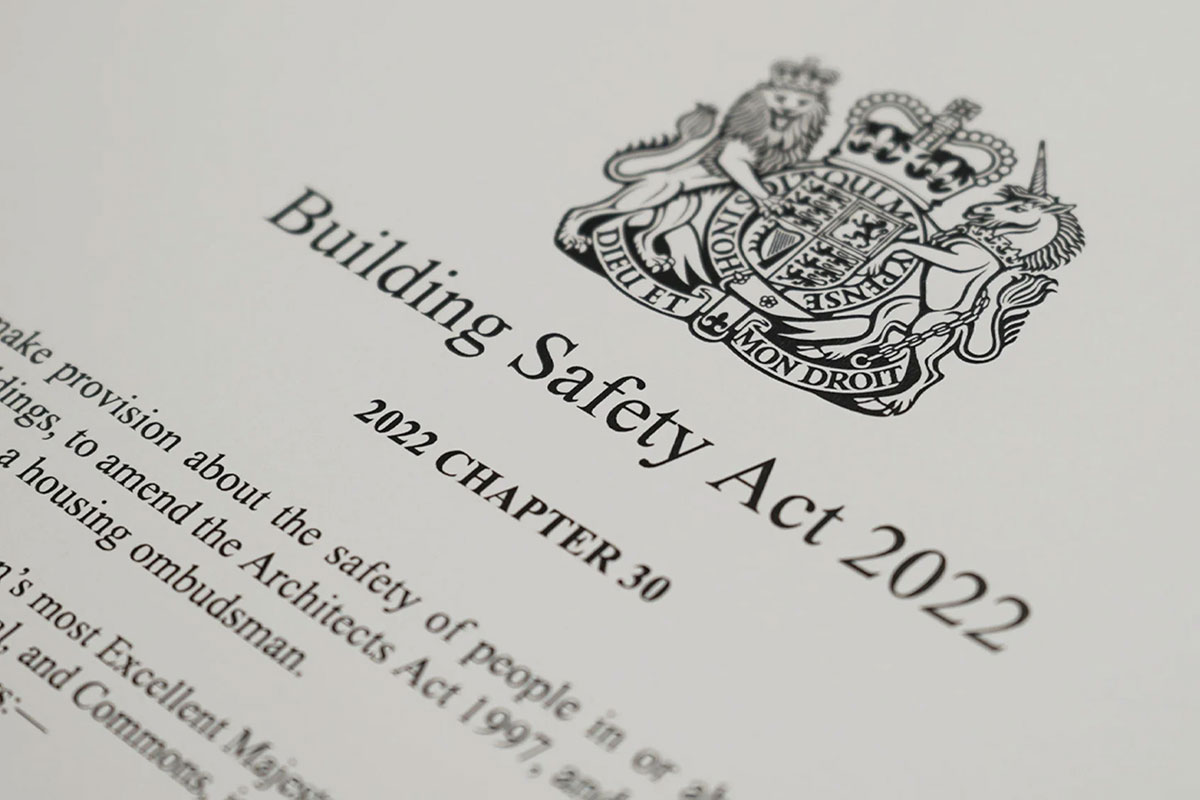
Home Warranty: Insurance covering structural defects in new build homes for a specific period, often 10 years. The Building Safety Act 2022 has updated the laws for mandatory building warranties on new build homes. Part 5 (Section 144–145) of this legislation states that anyone who undertakes or commissions the construction or conversion of a building to create a dwelling must provide a building warranty in order to sell it.

Inspector/Snagging Surveyor: A professional hired by the homeowner to conduct a snagging inspection, identifying and recording defects in the new build property.

New Build Property: A residential property that has been recently constructed and has not been previously occupied.

Planning Permission: Local Authority process to gain approval to build a new home (or other building) at a location to an agreed design/specification.

Pre-completion Inspection: An inspection of a newly built property that is carried out before it is handed over to the homeowner. This inspection is an opportunity for the homeowner to identify any snags that need to be rectified. This is usually a less-formal part of the construction process on the part of the builder.

Quality Control: The measures and processes implemented by builders to ensure that construction meets the required standards and specifications.

Remedial Work: The work carried out to rectify snags in a newly built property. This work is typically carried out by the developer/builder.

Retention: A practice where a percentage of the payment to the builder is withheld by the homeowner until all snagging issues are satisfactorily resolved.

Snagging: The process of identifying and rectifying defects or issues in a new build property before final handover.

Snagging Company: A professional service hired by homeowners to conduct thorough snagging inspections, providing an unbiased assessment of the property’s condition.

Snagging List: A comprehensive record of all defects, issues, or incomplete tasks identified during the snagging process, often used as a reference for remedial work.

Snagging Period: The period of time after a newly built property has been handed over to the homeowner during which snags can be identified and rectified. This period is typically six months.

Snagging Process: The snagging process typically involves the following steps:

  1. The homeowner identifies snags and compiles a snagging list.

  2. The homeowner submits the snagging list to the developer/builder.

  3. The developer/builder inspects the snags and agrees to rectify them.

  4. The developer/builder carries out rectification work.

  5. The homeowner inspects the rectification work and confirms that the snags have been fixed.

Snagging Survey: A more detailed inspection of a newly built property that is carried out by a professional snagging surveyor. This inspection is more likely to identify hidden defects than a pre-completion inspection.

Top Tips for Snagging

The glossary above should hopefully help you through the snagging process as part of your new home purchase. We’ve also listed below our top tips to consider: 

  • Be thorough: Carry out a thorough inspection of the entire property, both inside and out.

  • Document everything: Take notes and photos of any snags you find.

  • Be patient: The snagging process can take time, so be patient and persistent.

  • Get professional help: If you are not confident in your ability to snag your property yourself, consider hiring a professional snagging inspector. Contact Infinity Planning by calling  or completing the form below.

By agreeing to this, I agree to receiving updates about our services, promotions, special offers, news and events from Infinity Planning and Infinity ProServ Ltd.

Continue reading

Understanding the Impact on Homeowners: Changes to the Building Safety Act in the UK

Understanding the Impact on Homeowners Changes to the Building Safety Act in the UK

The Building Safety Act in the United Kingdom has undergone significant changes, ushering in a new era of regulations aimed at enhancing the safety and accountability of buildings.

These amendments have far-reaching implications for homeowners, shaping the way properties are constructed, managed, and maintained.

Whilst a large driver to these changes came from the Grenfell Tower Disaster, and as a result high-rise blocks come in for major regulatory reform, any building that is covered by Building Regulations is impacted by the changes to the Building Safety Act.

The Building Safety Act was enacted to enhance the safety of buildings following the Grenfell Tower Fire.

With major changes to the Building Safety Act coming into force, we have outlined below the major changes that will have an impact:

1. Strengthened Regulatory Framework:

The revised Building Safety Act bolsters the regulatory framework, placing a stronger emphasis on the responsibility of building owners and developers. Homeowners can expect increased scrutiny and stringent measures to ensure that their properties meet elevated safety standards.

2. The Introduction of three new regulatory bodies:

  • The Building Safety Regulator (BSR) will oversee the safety and performance of all buildings, as well as having a special focus on high-rise buildings. It will promote competence and organisational capability within the sector including for building control professionals and tradespeople.
  • The National Construction Products Regulator (NRCP) will oversee a more effective construction products regulatory regime and lead and co-ordinate market surveillance and enforcement in this sector across the UK. The NRCP has already started taking enforcement action under the scope of existing regulations. The new regulatory regime will start to apply once the necessary secondary legislation on the future regulatory regime has been approved by Parliament.
  • The New Homes Ombudsman Scheme will allow relevant owners of new-build homes to escalate complaints to a New Homes Ombudsman. Developers of new-build homes will be required by secondary legislation to become and remain a member of the New Homes Ombudsman Scheme and secondary legislation will also set out the enforcement framework and sanctions for breaching requirements. Infinity Planning’s snagging services cover elements of ensuring new homes are built to the standards expected. The Secretary of State may also approve or issue a developers’ code of practice which sets out the standards of conduct and the standards of quality of work expected of the New Homes Ombudsman scheme’s members.

3. Heightened Accountability for Developers:

Homebuyers will benefit from the Act’s increased accountability for developers. Stricter rules regarding design, construction, and maintenance demand that developers adhere to higher standards, reducing the likelihood of safety issues emerging in the long term. This shift places greater importance on transparency and communication between developers and homeowners.

4. Extension of the “Golden Thread” Principle:

The Act reinforces the “Golden Thread” principle, emphasizing the need for comprehensive documentation throughout a building’s life cycle. Homeowners will now have access to detailed information about their property, facilitating better understanding and proactive management of safety-related aspects.

5. Enhanced Resident Engagement:

A key aspect of the changes is the encouragement of resident engagement in the safety processes. Homeowners will have a more active role in building safety, with mechanisms in place for reporting concerns and participating in safety assessments. This empowerment ensures that those living in the buildings are integral to maintaining a safe living environment.

6. Remediation of Unsafe Cladding:

In response to past safety concerns, the Building Safety Act addresses the issue of unsafe cladding. Homeowners affected by this will witness targeted measures to identify, assess, and remediate hazardous cladding materials, mitigating risks associated with fire safety and structural integrity.

Contact Us

The amendments to the Building Safety Act in the UK mark a pivotal moment in ensuring the well-being of homeowners. With a focus on accountability, transparency, and resident involvement, these changes aim to create a safer and more secure living environment. As these regulations take effect, homeowners can anticipate a more vigilant and responsible approach to building safety, ultimately fostering trust in the properties they call home. Infinity Planning can support you in ensuring that any designs for extensions, loft conversions or even new build properties are fully compliant with the amended regulations. Simply call us on 0800 148 8088 or complete the form below:

By agreeing to this, I agree to receiving updates about our services, promotions, special offers, news and events from Infinity Planning and Infinity ProServ Ltd.

Continue reading

The Sagrada Familia: A Masterpiece in Progress and Lessons for Timely Domestic Building Projects

The Sagrada Familia: A Masterpiece in Progress and Lessons for Timely Domestic Building Projects

The Sagrada Familia, one of the world’s most iconic architectural wonders, stands as an enduring testament to human ambition, artistic vision, and the complexities of construction. Since its inception in 1882 by Spanish architect Antoni Gaudi, this basilica has been under construction, and whilst there is excitement as the four towers have been recently crowned,  it remains unfinished to this day with the central, and final tower to be completed. While it might be easy to marvel at its grandeur, the story of the Sagrada Familia offers profound insights for anyone embarking on domestic building projects. In this article, we will explore the fascinating history of the Sagrada Familia, the factors contributing to its prolonged construction timeline, and most importantly, the valuable lessons it provides to help homeowners ensure their own building projects progress efficiently.

The Sagrada Familia is possibly Spain's most iconic building, yet it's still under construction more than 140 years after it was started! Find out what we can learn about completing a timely domestic building project.

The Saga of Sagrada Familia

Designed by the visionary architect Antoni Gaudí, the Sagrada Familia was initially envisioned as a simple neo-Gothic church. However, Gaudí’s creative genius transformed it into a complex and awe-inspiring masterpiece that defied traditional architectural norms. From the outset, the project was ambitious, with Gaudí aiming to complete it within a decade. Yet, as with many construction endeavours, challenges and delays soon became evident. So much so, that Gaudi is buried in the crypt of his own construction.

We’ve outlined below some of the major contributing factors to these delays:

  1. Funding Challenges: One of the primary reasons for the prolonged construction timeline of the Sagrada Familia was financial instability. The project relied heavily on donations, and at times, funding was scarce. Construction had to be halted or significantly slowed down during periods of economic downturn or political upheaval.

  2. Technical Complexities: Gaudí’s innovative architectural designs introduced unprecedented technical complexities. His use of novel construction techniques, intricate facades, and a forest of slender columns required meticulous planning and experimentation, often leading to unforeseen challenges that extended the construction timeline.

  3. Historical Events: The construction of the Sagrada Familia was further delayed by historical events, including the Spanish Civil War, during which the building suffered damage and the loss of crucial construction plans. These external factors disrupted the project for years.

  4. Adaptation and Commitment: Despite these challenges, the architects, engineers, and builders of the Sagrada Familia displayed unwavering commitment to the project. They adapted to changing circumstances, preserved Gaudí’s vision, and continued the construction even when faced with adversity.

    Lessons for Timely Domestic Building Projects

    While the Sagrada Familia’s journey is extraordinary, it offers valuable lessons for homeowners embarking on their own building projects. Here are essential takeaways to ensure your domestic construction doesn’t linger indefinitely, and you achieve a timely domestic building project:

    1. Meticulous Planning: Begin with a comprehensive and well-thought-out plan. Clearly define your project’s scope, timeline, and budget. Consider contingencies for unexpected challenges.

    2. Secure Financing: Ensure you have a stable financial plan in place. Budget for unforeseen expenses, and explore funding options that provide flexibility in case of economic fluctuations.

    3. Professional Expertise: Collaborate with experienced architects and contractors who understand the complexities of your project. Their expertise can streamline the construction process.

    4. Regular Communication: Maintain open and transparent communication with your project team. Discuss progress, challenges, and necessary adjustments regularly to keep the project on track.

    5. Adaptability: Be prepared to adapt to changing circumstances. Unexpected issues may arise, so having a flexible approach to problem-solving is crucial.

    6. Approvals and Regulations: Ensure all necessary planning permissions and regulatory approvals are in place before construction begins. Delays in obtaining these can significantly impact your project’s timeline.

    7. Quality Control: Prioritise quality control throughout the construction process. Address issues promptly to prevent them from causing delays or escalating costs.

    8. Project Management: Consider hiring a project manager to oversee the construction. Their expertise can help streamline processes and keep the project on schedule.

    9. Regular Inspections: Conduct regular inspections to identify potential issues early. Timely corrections can prevent minor problems from turning into major delays.

    10. Commitment and Persistence: Finally, remain committed to your project’s success. Persistence and dedication can help overcome challenges and keep the construction moving forward.

    Contact Us

    The Sagrada Familia’s ongoing construction journey serves as a powerful reminder of the complexities inherent in ambitious building projects. By studying its history and the lessons it offers, homeowners can approach their domestic building endeavors with a greater understanding of the factors that contribute to timely completion. With careful planning, adaptability, and a commitment to excellence, your own construction project can progress efficiently, allowing you to enjoy your dream home without unnecessary delays.

    If you’re considering how you might tackle an extension, loft conversion or even a complete new-build, contact us now using the form below, or by calling 0800 148 8088 to see how we can help to avoid some of these pitfalls!

    By agreeing to this, I agree to receiving updates about our services, promotions, special offers, news and events from Infinity Planning and Infinity ProServ Ltd.

    Continue reading

    The cooling of the housing market: What happens next?

    The cooling of the housing market: What happens next?

    In the ever-shifting landscape of real estate, few markets capture the world’s attention quite like London. Long known for its sky-high property prices, the city has been a beacon for investors, homeowners, and dreamers alike. However, recent headlines from the Office for National Statistic’s House Price Index have sent shockwaves through the British capital’s housing market, as the once-soaring prices of London properties are beginning to show major signs of change.

    The news of London’s price drop is more than just a headline; it’s a signal of significant changes in the UK’s housing market. In this article, we’ll delve into the factors contributing to this cooling trend, explore its implications, and dissect what it all means for both current homeowners and those hoping to break into the property scene.

    Infinity Planning looks at the decrease in house prices that have been recently reported, and the effect that will have on the housing market

    When housing prices start to drop, several general trends and consequences typically occur:

    1. Decreased Demand: As prices fall, potential buyers may hold off on purchasing homes in anticipation of further declines, or further negotiation leading to a cyclical situation of ever-decreasing prices. This decreased demand can lead to a surplus of available properties.

    2. Longer Time on Market: Homes tend to stay on the market for a longer period when prices are declining, which has already been noted. Sellers may need to reduce their asking prices or offer incentives to attract buyers.

    3. Price Reductions: Sellers often lower their asking prices to remain competitive, resulting in a downward pressure on property values.

    4. Negative Equity: Homeowners who purchased their properties with high mortgages may find themselves in a situation of negative equity, where the outstanding mortgage balance exceeds the current market value of the home.

    5. Repossession: In severe cases, homeowners facing financial distress may be unable to make their mortgage payments, leading to repossessions and subsequent sales. These distressed properties can further depress prices in the market.

    6. Impact on Builders and Developers: Falling prices can also affect new construction projects. Developers may delay or cancel new developments if the market is oversaturated with unsold properties.

    7. Tightened Credit: Lenders may become more cautious, tightening lending standards and requiring larger down payments, which can further reduce demand for housing.

    8. Economic Effects: A declining housing market can have broader economic implications, potentially leading to reduced consumer spending and economic slowdowns in regions heavily dependent on property.

    It’s important to note that the dynamics of a housing market can vary widely based on local factors, such as supply and demand, economic conditions, and government policies. A gradual decline in prices may not necessarily lead to a housing market crash, and some markets may recover more quickly than others.

    Housing market decline and its effect on improvement projects

    In the midst of a cooling housing market, where property prices are dropping, the dynamics of property economics undergo a significant transformation. Whilst for prospective homebuyers, this shift may bring opportunities, for existing homeowners, especially those contemplating home improvements or renovations, navigating this changing landscape can be a double-edged sword.

    On one hand, declining property prices can create a financial challenge for homeowners who had hoped to tap into the equity of their homes to fund renovations or upgrades. The reduced market value of their properties can limit their borrowing power and leave them with less equity to leverage for home improvement projects. This may necessitate reevaluating renovation plans, scaling them down, or seeking alternative financing options.

    On the other hand, a cooling housing market can present unique opportunities for savvy homeowners. With prices in decline, the cost of materials and labour for home improvements may become more competitive. The post-COVID-19 landscape is still seeing vastly inflated materials costs. Skilled contractors and builders may be more willing to negotiate on pricing, potentially resulting in cost savings for homeowners looking to enhance their properties. Additionally, lower interest rates, often associated with a slowing housing market, can make home equity loans/mortgages or refinancing more affordable, providing a means to finance renovation projects.

    Naturally the slowing of the market means the prospect of entering the market becomes less attractive in itself. These changes to the marketplace often result in more homeowners seeking to improve their existing surroundings, extend their home through extensions or loft conversions rather than face the prospect of a potentially turbulent sales process.

    Contact Us

    In this evolving housing market, existing homeowners must carefully weigh their options, considering the impact of falling property prices on their renovation plans and the potential long-term benefits of enhancing their homes in a market that is poised for future recovery. If you’re looking to either extend your home, refurbish or even add a loft conversion, speak to Infinity Planning either by calling 0800 148 8088, or completing the contact form below. We will be only too happy to assist you in formulating a more comprehensive plan, considering all of the options.

    By agreeing to this, I agree to receiving updates about our services, promotions, special offers, news and events from Infinity Planning and Infinity ProServ Ltd.

    Continue reading

    RAAC and Ruin? A guide to RAAC in the home

    RAAC and Ruin? A guide to RAAC in the home

    RAAC, which stands for Reinforced Autoclaved Aerated Concrete, has been a prominent topic in the construction industry for several years, but last week hit the headlines with the closure of around 150 schools just days before reopening for the new school year.

    A huge snowball effect is unfolding due to its widespread use between the 1950s and 1990s, with fears of even wider reaching consequences than first thought.

    Whilst the current public outcry is focusing on schools, and to a lesser extent hospitals, what are the impacts of RAAC on your home? Here we look at the substance, and the realities of living with this questionable construction material.

    Infinity Planning looks at the problems around Reinforced Autoclaved Aerated Concrete (RAAC) and its use within domestic properties.

    RAAC – What’s the problem?

    Many buildings dating from the 1950s to the 1980s incorporate this material into their structures. Unfortunately, its deterioration has led to structural failures in numerous buildings, both in the UK and abroad. Some of these incidents have had catastrophic consequences.

    These concerns have prompted a comprehensive review of RAAC and its applications in UK buildings which we are currently watching unfold. The NHS estimates that repairing thirty hospitals could cost approximately £1 billion. Moreover, it is believed that approximately 1,500 schools were constructed using it during its peak usage. To a lesser degree, RAAC has been used in domestic construction, although its usage in this areas is believed to be far less widespread.

    What is RAAC?

    Reinforced Autoclaved Aerated Concrete (RAAC) was the poster-child material of 1950s construction, and offered a versatile, eco-conscious building material. Its rise to prominence was driven by its unique attributes; including its lightweight nature, exceptional thermal insulation properties, and environmentally friendly characteristics.

    The origins of Autoclaved Aerated Concrete (AAC) trace back to the early 20th century, with its initial invention dating to the 1920s in Sweden. AAC quickly garnered attention across Europe due to its low density and user-friendly qualities. As time progressed, innovations paved the way for the evolution of Reinforced Autoclaved Aerated Concrete, incorporating steel reinforcement to bolster its structural integrity. The manufacturing process of RAAC involves blending cement, sand, lime, and aluminium powder with water, resulting in a robust yet lightweight porous material. Despite its name, it isn’t truly “concrete.”

    RAAC has found extensive use in Europe, Asia, and Australia. Thanks to continuous enhancements and refinements over the years, RAAC has emerged as one of the construction industry’s most sought-after building materials.

    The problem with RAAC

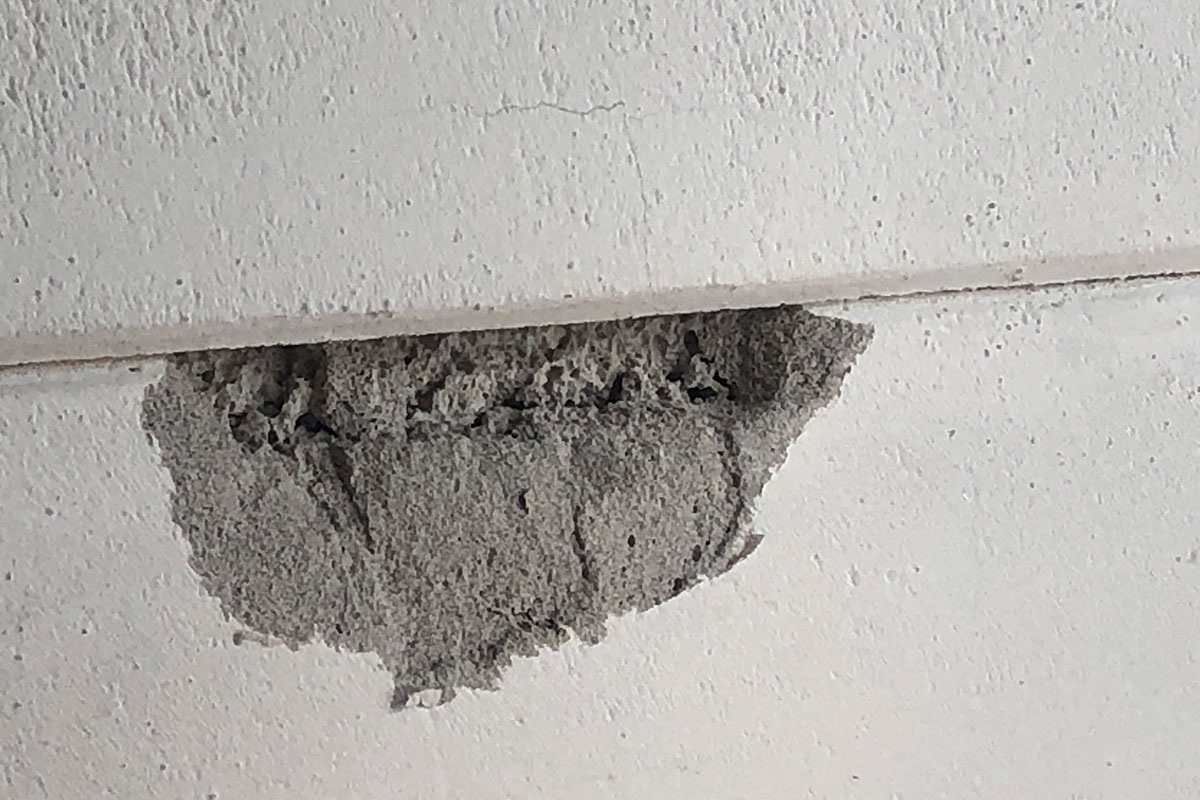
    The production of substantial Reinforced Autoclaved Aerated Concrete planks involves a “foaming” procedure, incorporating silicate and calcareous chemicals along with bulking and accelerating agents. It is this ‘foam’ that the UK press have referred to the ‘Aero-like texture’ of RAAC. This foamy substance is intentionally created to adhere to the reinforcement, ensuring its structural integrity.

    Nonetheless, planks can experience deflection (bending) between their support points due to various environmental factors, including loading, moisture infiltration, and thermal or carbon influences. Deflection has the potential to induce cracks, particularly in areas of the AAC material subjected to excessive stress or where it falters around the reinforcement. These fissures also permit moisture infiltration, which, in turn, can weaken the reinforcement itself.

    RAAC was thought to have a life span of around 30 years. Whilst the most recent construction using RAAC stopped in the 1990s – which is just ‘coming of age’, much of the UK’s building stock utilising this material is significantly older.

    As these planks degrade and potentially deflect more and more, they are weakened. This can ultimately lead to them fail entirely, with potentially dire consequences such as Singlewell Primary School in Kent, which collapsed in 2018.

    Risks associated with Reinforced Autoclaved Aerated Concrete

    The formulation and production of Reinforced Autoclaved Aerated Concrete introduce various risks to structures, including:

    1. Structural Integrity: Although RAAC is recognised for its strength and durability, its structural integrity can be compromised due to design, construction, or improper reinforcement installation. In rare instances, this could result in structural issues such as wall, floor, or roof cracks or, in extreme cases, even collapse. These occurrences can pose significant dangers to occupants and neighboring properties.

    2. Fire Resistance: While RAAC possesses inherent fire-resistant qualities, its precise composition and the presence of organic binders can influence its fire performance. The use of subpar or low-quality RAAC may not offer sufficient fire protection, potentially putting building occupants and nearby structures at risk.

    3. Moisture and Water Damage: RAAC is susceptible to moisture infiltration if not adequately sealed or shielded. The ingress of water can trigger material deterioration, weakening the overall structure over time. This deterioration can lead to the growth of mould, degradation of surface finishes, and potential health hazards for building occupants.

    The likelihood of finding RAAC in my home

    The likelihood of finding RAAC in your home depends very much on the type of dwelling you own. Generally speaking, the likelihood of finding RAAC within a standard-construction house – be it detached, semi-detached or within a terrace is fairly low.

    RAAC, from the typical examples of usage being schools and hospitals tended to be utilised within the construction of larger buildings. It is therefore reasonable to suspect that larger blocks of flats; especially those with flat roofs, may be more likely to feature RAAC. It is therefore anticipated that RAAC has been widely used within larger blocks of social housing constructed within that period of the 1950s-1990s.

    What to do if I think I have RAAC in my home

    While significant incidents involving Reinforced Autoclaved Aerated Concrete (RAAC) have occurred, it is crucial to emphasise that proper management can effectively mitigate its risks, provided that the material is well-maintained and not allowed to deteriorate significantly. To minimise the potential hazards associated with RAAC construction, the following measures should be put into practice:

    1. Proper Design and Engineering: Engage experienced surveyors, structural engineers, and contractors well-versed in RAAC construction to evaluate existing RAAC structures. Conduct thorough structural analyses and implement necessary reinforcements to ensure the building’s stability and safety.

    2. Quality Assurance: Utilise high-quality reinforcement materials and construction methods to ensure the safety of RAAC where found. Implement routine inspections and testing to guarantee compliance with industry standards.

    3. Fire Protection Measures: Strictly adhere to fire safety regulations and apply suitable fire-resistant coatings or treatments to enhance the fire performance of RAAC structures. Additionally, install fire alarms and if appropriate sprinkler systems and evacuation plans to minimise fire-related risks.

    4. Moisture Management: Incorporate comprehensive waterproofing measures during construction, with particular attention to joints, openings, and vulnerable areas susceptible to moisture infiltration. Regular maintenance and inspections should identify and rectify any signs of water damage, including the assessment of roof coverings to prevent leaks that could compromise the RAAC structure’s integrity.

    RAAC, despite its inherent advantages, also presents significant risks that demand attention to ensure the safety of both properties and occupants. Given its prevalence in UK construction, whilst it’s not believed to be too commonly used in single dwellings, care must be taken to ensure you understand your property, and where relevant ensure that diligent maintenance and mitigation measures are used to substantially reduce the associated risks.

    Contact Us

    RAAC is undoubtedly a huge talking point within the press throughout the UK. And justly so.

    Infinity Planning understand the levels of anxiety being caused by this problem. Whilst the first port of call should be a structural engineer or chartered building surveyor, Infinity Planning will endeavour to assist wherever possibly. Simply call 0800 148 8088 or complete the form below:

    By agreeing to this, I agree to receiving updates about our services, promotions, special offers, news and events from Infinity Planning and Infinity ProServ Ltd.

    Continue reading

    Obtaining Planning Permission in Essex and Suffolk – the basics

    Obtaining Planning Permission in Essex and Suffolk – the basics

    Obtaining Planning Permission is a legal requirement for most development work in North Essex and South Suffolk. The process can be complex and time-consuming, so it’s important to get professional advice from professionals who understand the local planning regulations.

    In this guide, we’ll walk you through the basics of obtaining planning permission, from understanding the different types of permission available to submitting your application. We’ll also provide tips on how to increase your chances of success.

    Whether you’re planning to build a new house or extend your home, we can help you get the planning permission you need.

    Infinity Planning can support homeowners in obtaining planning permission in North Essex and South Suffolk.

    Planning permission is a legal requirement for most building work and changes of use in England and Wales. It is granted by the local planning authority, which is usually the district or borough council in which you live.

    In North Essex and South Suffolk, the main planning authorities are:

    Essex

    Suffolk

    Types of Planning Permission

    There are different types of planning permission available, depending on the scale and nature of the development. The most common types are:

    • Full planning permission: This is required for major developments, such as new houses or extensions

    • Outline planning permission: This is granted for the principle of a development, but the details are left to be decided later

    • Permission in principle: This is a new type of planning permission that is being introduced in England. It is similar to outline planning permission, but it is more flexible and can be granted for a wider range of developments

    • Neighbourhood planning: This is a process by which local communities can develop their own planning policies. If your development is in line with a neighbourhood plan, you are more likely to get planning permission

    In addition to these forms of planning permission, your scheme may actually not require planning permission under the rights of permitted development, which allow improvement and extension of homes without the need to make a planning application.

    To find out if you need planning permission, you can check the government’s planning portal or speak to your local planning authority for advice. Of course, Infinity Planning would be happy to advise, and you can simply contact us to find out more.

    Timescales for obtaining Planning Permission

    The timescale for obtaining planning permission in Essex and Suffolk is typically around 8 weeks for a standard application. Naturally, this can take longer for more complex applications.

    Any objections by neighbours or other agencies may slow down the process as well.

    Costs for obtaining Planning Permission

    The cost of planning permission varies depending on the type of development and the size of the site. Across England, the fees for planning applications are set centrally in London.

    Householder Planning Application

    These cover a wide range of works that you might wish to do to your home (or within the curtilage of your home) – including, but not limited to:

    • Extensions
    • Loft conversions
    • New fencing
    • Garden studios etc.
    • Anything not covered under permitted development

    You would expect to pay £206 to apply for a Householder Planning Application.

    New Home Planning Application

    Planning applications to build entirely new homes attract a more significant fee of £462 per property or per 0.1 hectare. This applies to schemes of up to 50 dwellings, after which additional costs are introduced.

    In the case of new homes, if outline planning permission is sought (maybe to test the water of your design), a secondary charge for obtaining full planning permission will be chargeable.

    The process of obtaining Planning Permission

    As you’ve probably gathered, the process of obtaining Planning Permission is not always straightforward. However, in working with professionals such as Infinity Planning, all of the necessary steps, and juggling and preparation of the myriad information that is required can be managed on your behalf. 

    These are the key steps involved in obtaining planning permission:

    1. Gather information and evidence. This will include things like site plans, architectural drawings, and environmental impact assessments

    2. Submit a planning application to your local planning authority

    3. The planning authority will assess your application and decide whether to grant permission

    4. If your application is granted, you will be issued with a planning permission certificate

    5. You can then start work on your development

    If your application is refused, you have the right to appeal the decision, which might involve attending additional meetings with the planning authority, other interested parties and undertaking additional work or investigations (which may also attract additional costs).

    The benefits of using a planning professional

    Employing the services of a planning professional such as Infinity Planning will undoubtedly help you increase your chances of getting planning permission by. There a numerous reasons for this, including:

    • We understand the local planning policies and will make sure your designs are in line with them

    • We will work with you to ensure that your plans are realistic and achievable

    • We will help you consult appropriately with neighbours and other agencies
    • We will prepare a clear and concise planning application that includes all the necessary information

    • We will liaise with the local planning authority throughout the process on your behalf alleviating the stresses associated with planning applications.

    By working collaboratively with you, providing professional advice and support, we can help you efficiently navigate the planning process and get the permission you need.

    Contact Us

    Obtaining planning permission can be a complex process, but it is essential if you want to carry out more significant building work or even build a new home. By following these tips, and employing a professional company such as Infinity Planning, you can dramatically increase your chances of getting the permission you need.

    Please contact us by phone on 0800 148 8088 or by completing the form below:

    By agreeing to this, I agree to receiving updates about our services, promotions, special offers, news and events from Infinity Planning and Infinity ProServ Ltd.

    Continue reading